The best basketball players always seem to be in the right place at the right time. They find open teammates before the defense can react, anticipate passes for steals, and make decisions that look effortless. This ability — often called court awareness or basketball IQ — separates good players from great ones.
The good news is that court awareness is not something you are born with. It is a skill you can develop through intentional practice, film study, and mental training. This guide breaks down exactly how to improve your ability to read the game like a pro.
What Is Basketball Court Awareness?
Court awareness refers to a player’s ability to understand and anticipate what is happening on the basketball court at any given moment. It involves recognizing where teammates are positioned, tracking opponents, understanding spacing, and predicting how plays will develop before they happen.
Think of it like a chess player thinking several moves ahead. As Wayne Gretzky famously said, the key is to skate to where the puck is going to be — not where it has been. The same principle applies to basketball. High-IQ players react to what is about to happen, not just what is happening right now.
Why Court Awareness Matters More Than Athletic Ability
You can be the fastest or most athletic player on the court, but if you are constantly out of position or unaware of what is happening around you, your impact will be limited. Court awareness enhances every other skill you possess.
On Offense
Players with strong court awareness find passing lanes that others miss. They know when to cut to the basket, when to space the floor, and when to set screens that create opportunities for teammates. They make fewer turnovers because they see the entire defense — not just the player guarding them.
On Defense
Defensively, court awareness allows players to anticipate passes, rotate to help teammates, and position themselves for rebounds. Players like Draymond Green appear almost psychic because they read opponents’ eyes and body language to predict movement before it happens.
Five Ways to Improve Your Court Awareness
Developing court awareness requires consistent effort both on and off the court. Here are proven methods that coaches and players at every level can use to build this essential skill.
Keep Your Head Up While Dribbling
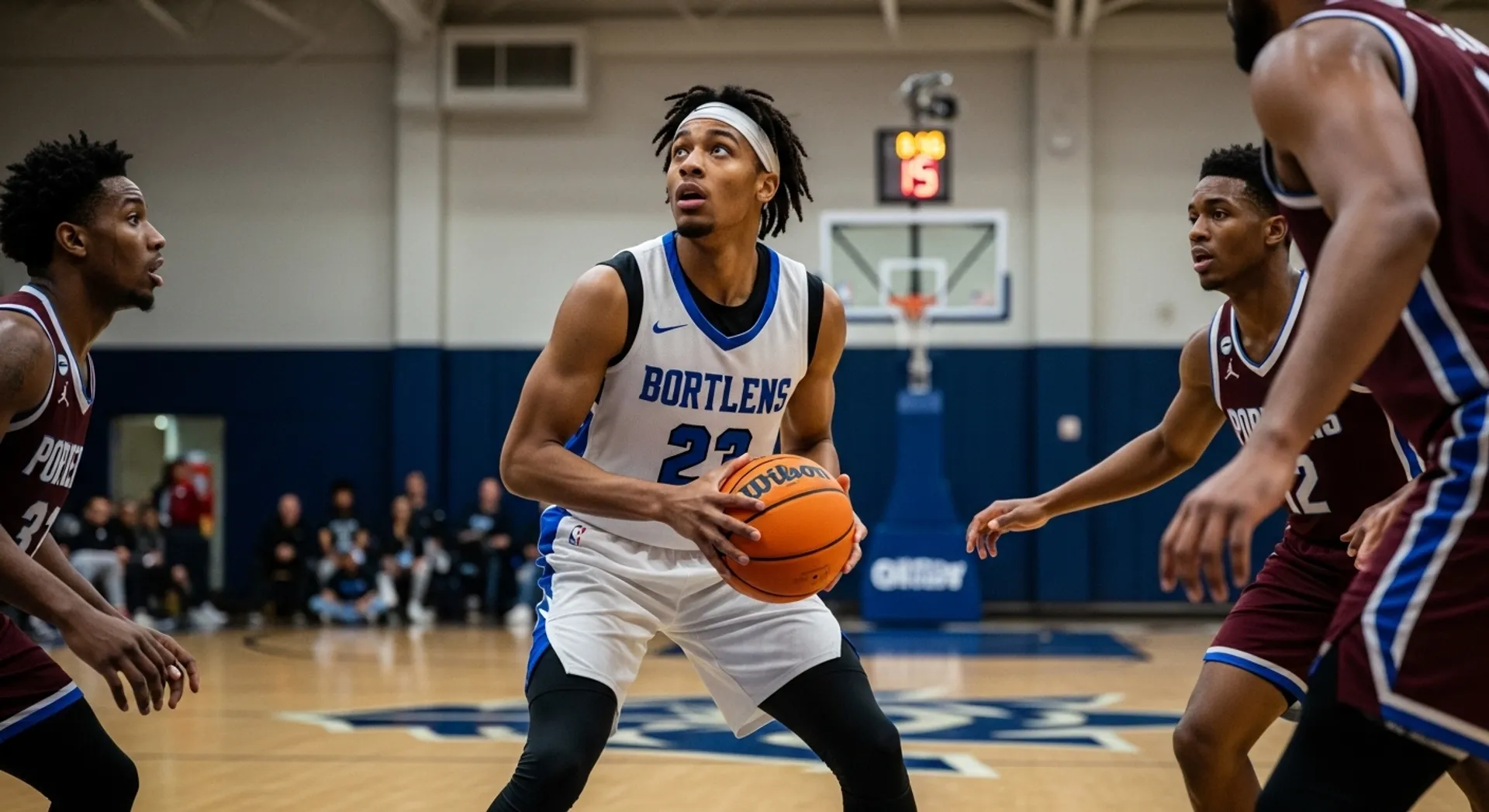
One of the most fundamental habits for building court awareness is keeping your head up during ball handling. Many players — especially beginners — watch the ball while dribbling, which creates tunnel vision and prevents them from seeing the full court.
Practice dribbling drills where you must identify objects, colors, or hand signals from your coach while maintaining your dribble. This trains your eyes to scan the court even when handling the ball under pressure. Over time, ball handling becomes automatic, freeing your vision to read the game.
Train Your Peripheral Vision
Great playmakers do not stare directly at their target before passing. They use peripheral vision to monitor multiple areas of the court simultaneously. According to Revolution Basketball Training, developing peripheral vision enables quicker reactions and better decision-making by detecting player movements and openings without direct staring.
Try this drill: Stand in the middle of the court with two partners positioned on either side. Have a third person flash hand signals or colored cards behind you while you make passes to your partners. Call out what you see while completing the pass. This builds awareness beyond your direct line of sight.
Study Game Film Intentionally
Watching basketball is one thing — studying it is another. When you watch games, focus on one player for an entire possession and track their movement, positioning, and decision-making. Study the chess match happening on the court, not just the highlights.
Notice how high-IQ players position themselves during set plays, how they create space, and how they read pick-and-rolls and defensive rotations. Film study also applies to your own games — rewatching your performances reveals which open teammates you missed or defensive breakdowns you did not notice in real time.
Practice Scanning the Court
Elite players constantly scan the court — even without the ball. This habit helps them spot open teammates, identify defensive gaps, and anticipate opponent movements. The best players gather information before they receive the ball, so they already know their options when it arrives.
According to research highlighted by Basketball Australia, emphasizing quick, purposeful head movements — similar to how soccer players like Lionel Messi constantly scan the field — helps basketball players gather information without losing focus on their immediate surroundings.
Play Small-Sided Games
Three-on-three and four-on-four games force players to make more decisions with less space and time. These environments accelerate the development of court awareness because every possession requires reading the defense, communicating with teammates, and making quick choices.
Add constraints to make these games even more effective. Try playing with limited dribbles or requiring a certain number of passes before shooting. These rules force players to scan the floor and think critically rather than relying on individual skills alone.
Drills That Build Court Awareness
Incorporating specific drills into your practice routine will accelerate your development. Here are three effective exercises you can start using immediately.
The Color Cone Drill
Set up colored cones or have a partner hold colored flashcards around the court. While dribbling or attacking, your coach shouts a color, and you must point, pass, or move toward that color without looking down. This challenges you to keep your head up while reading the floor.
Shell Defense With Communication
Run standard four-on-four shell defense, but require defenders to verbally call out screens, cutters, and help positions. After each possession, the coach asks players where specific opponents were at key moments. This builds awareness of spacing, help defense, and rotations while reinforcing communication habits.
The K.I.M. Game
K.I.M. stands for Keep In Memory. During scrimmages, practice taking mental snapshots of the court — player positions, who has the ball, the clock, and the score. As the game progresses, frequently refer back to these mental images and update them constantly. This mimics the real-time process of maintaining awareness during actual games.
Mental Habits That Sharpen Your Game IQ
Court awareness is not just physical — it requires mental discipline. Understanding your team’s offensive and defensive schemes allows you to anticipate where teammates will be and what actions are coming next. High-IQ players also study opponents before games, learning tendencies, favorite plays, and weaknesses that can be exploited.
Mental toughness is equally important. Staying composed under pressure allows you to execute the right move and avoid costly mistakes in crunch time. When the game slows down in your mind, your impact speeds up on the court.
Start Building Your Basketball IQ Today
Improving your court awareness is a gradual process, but the results are worth the effort. Players who see the game better make smarter plays, contribute more to their teams, and enjoy basketball at a deeper level.
Start with one or two of these techniques and build from there. Keep your head up when dribbling. Watch game film with intention. Practice scanning the court during every possession. Over time, these habits become second nature — and you will find yourself consistently in the right place at the right time.