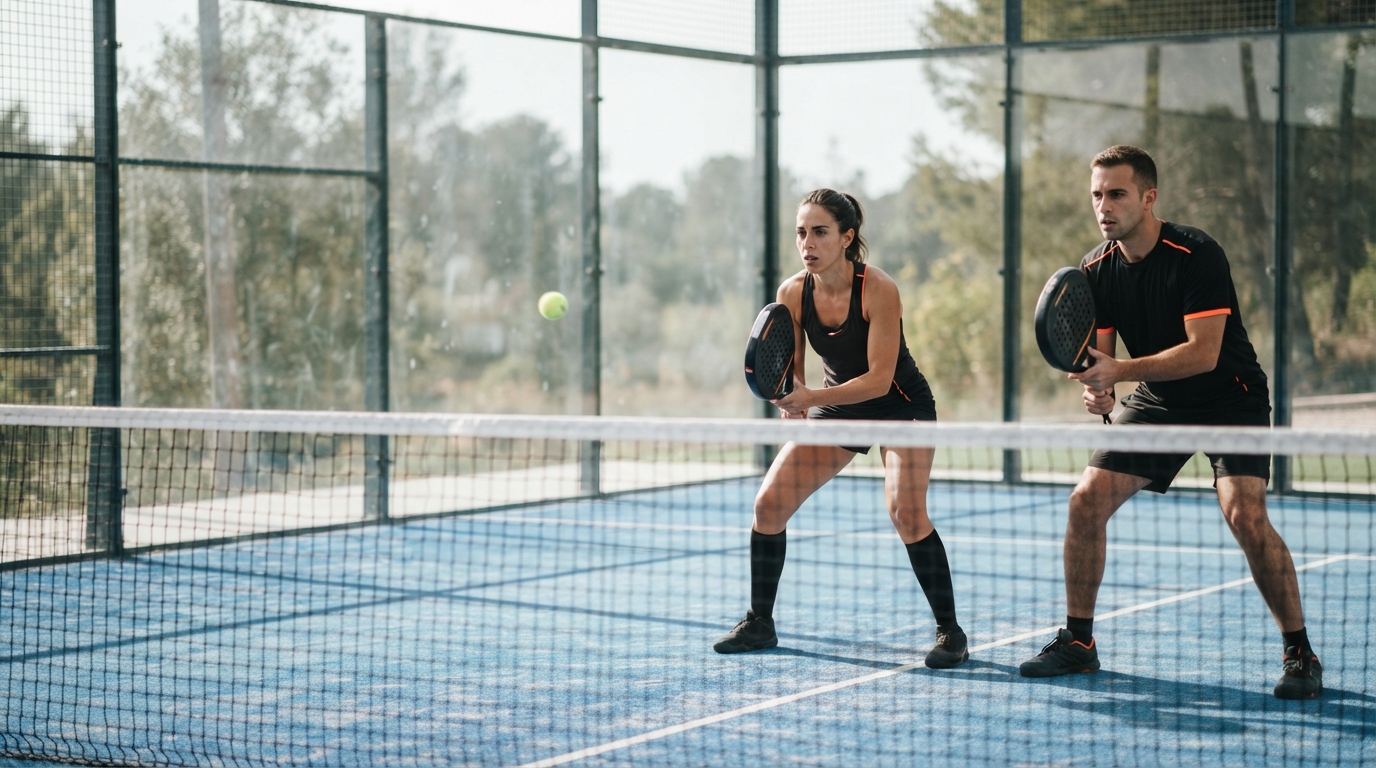
Training hard is only half of the performance equation. The other half — the half that most court sports athletes underinvest in — is recovery. What happens in the hours and days after a demanding session or match determines how well your body adapts to the stress you placed on it, how quickly you are ready to perform again, and whether the physical work you put in actually translates into measurable improvement.
Recovery is not passive. It is not simply the absence of training. It is an active process that requires the same intentionality and structure as your practice sessions. For basketball, volleyball, and tennis players who train frequently, compete regularly, and face the compounding physical demands of a full season, a well-designed recovery strategy is one of the highest-leverage investments you can make in your long-term performance.
This guide breaks down the most evidence-based recovery strategies available to court sports athletes — what they are, why they work, and how to integrate them into your existing routine without overcomplicating your approach.
Understanding Why Recovery Matters for Court Sports
Court sports place a specific and demanding combination of physical stresses on the body. Basketball, volleyball, and tennis all require repeated explosive actions — sprinting, jumping, cutting, landing — over extended periods, often with limited rest between efforts. This physical profile creates cumulative fatigue that affects both the muscular and nervous systems.
When you train or compete, you are not building fitness during the session itself — you are breaking the body down. The adaptation that produces improved strength, speed, endurance, and skill expression happens during recovery, when the body rebuilds stronger than before in response to the stress applied. Skip or shortchange recovery, and you interrupt that adaptation process. The training stress accumulates without the corresponding benefit, increasing injury risk and reducing performance over time.
According to the Gatorade Sports Science Institute’s research on recovery techniques for athletes, the most popular and evidence-supported recovery methods include sleep, nutrition, hydration, active recovery, compression, and soft tissue work — and the optimal approach combines several of these strategies based on the type of activity performed and the time available before the next session or competition.
Sleep — The Most Powerful Recovery Tool Available
If you could take only one recovery action and had to choose the single highest-impact option, it would be sleep. No supplement, no therapy, no device comes close to the recovery value of adequate, high-quality sleep — and it costs nothing.
According to NASM’s guide on recovery techniques for athletes, the deepest stage of non-rapid eye movement sleep is anabolic — meaning it is the phase during which muscle tissue is actively rebuilt, energy stores are replenished, and growth hormone is released. This biological process is not replicable through any other recovery method. Shortchanging sleep duration or quality directly impairs these repair processes and carries performance costs that compound over time.
How Much Sleep Do Court Sports Athletes Need?
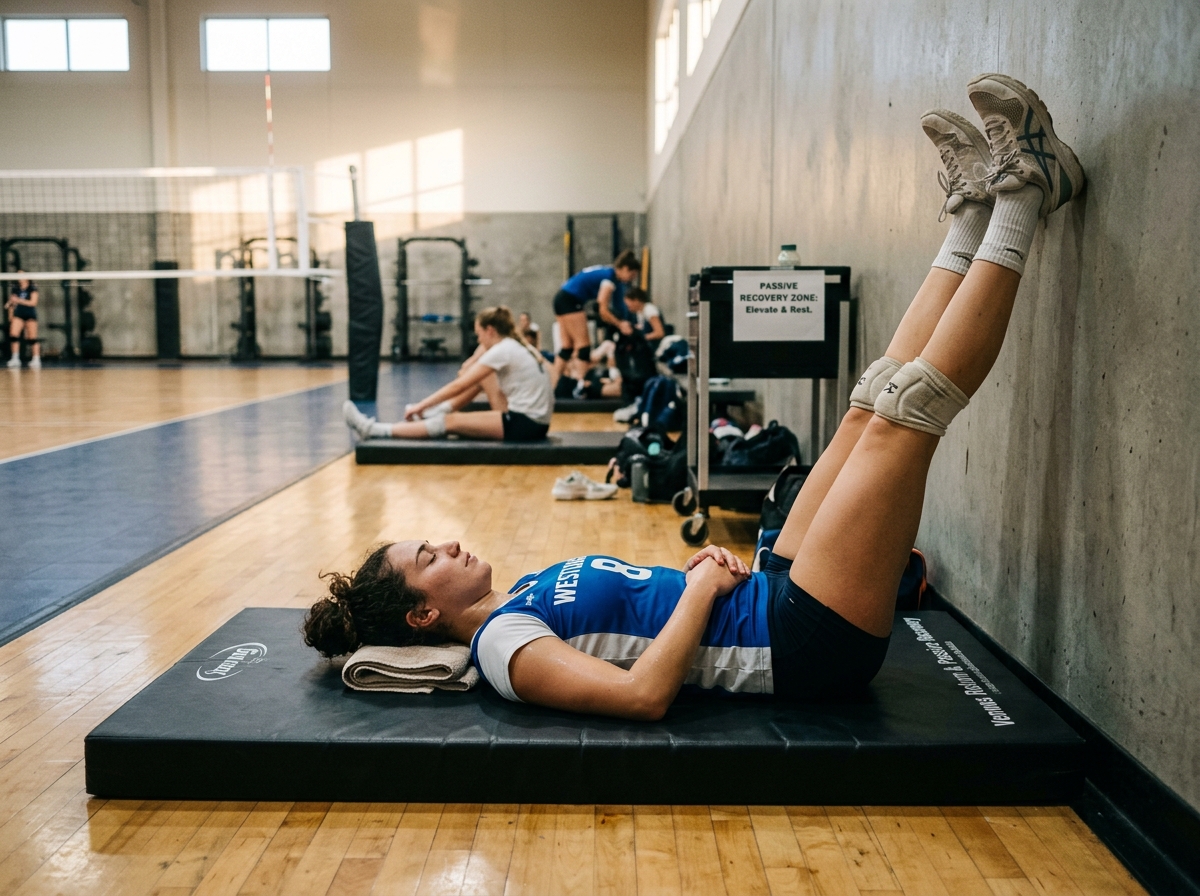
General adult recommendations of seven to nine hours per night apply as a baseline, but court sports athletes under significant training loads often benefit from targeting the higher end of that range or adding short naps during high-volume training weeks. Research consistently shows that sleep extension — deliberately increasing sleep duration during periods of heavy training — improves reaction time, sprint speed, shooting accuracy, and mood in athletes across multiple sports.
The quality of sleep matters as much as the duration. A consistent sleep schedule — going to bed and waking at the same times each day — regulates your circadian rhythm and significantly improves sleep depth and efficiency. Irregular sleep timing, common among athletes with demanding training schedules and late-night games, disrupts this rhythm and reduces the quality of recovery even when total sleep hours appear adequate.
Practical Sleep Optimization for Athletes
Keep your sleep environment cool, dark, and quiet. Limit screen exposure in the 60 minutes before bed — the blue light emitted by phones and tablets suppresses melatonin production and delays sleep onset. Avoid caffeine in the six hours before your intended sleep time. If you compete or train in the evening, prioritize a wind-down routine after sessions — a short walk, light stretching, or controlled breathing — to help your nervous system transition from high arousal to the relaxed state needed for quality sleep.
If early-morning training sessions are shortening your sleep window, consider whether a short 20-minute nap in the early afternoon can offset the deficit. Naps longer than 30 minutes risk entering deep sleep stages and producing grogginess on waking — keep them short and time them well away from your evening bedtime.
Nutrition — Fueling the Recovery Process
What you eat after training directly determines how well your muscles repair, how quickly your energy stores are restored, and how ready your body is for the next session. Recovery nutrition is one of the most well-researched areas in sports science, and the core principles are straightforward to apply.
The Post-Exercise Nutrition Window
In the 30 to 60 minutes immediately following a training session or match — often called the recovery window — your muscles are in a heightened state of receptivity to nutrients. Carbohydrates consumed during this window replenish the glycogen stores depleted during exercise. Protein consumed during this window provides the amino acids needed to begin rebuilding muscle tissue that was damaged during training.
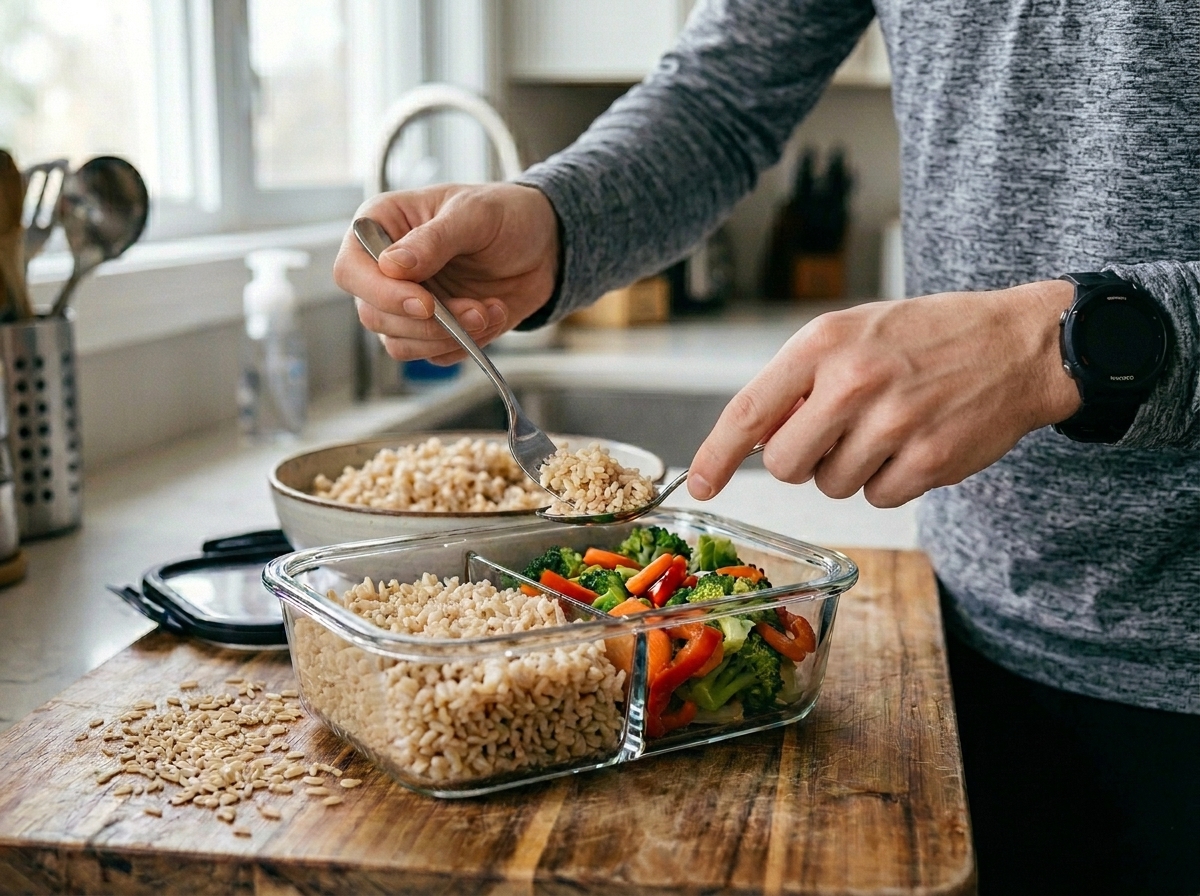
A practical post-exercise recovery meal or snack combines both macronutrients — a ratio of roughly three to four grams of carbohydrate per gram of protein is well-supported by the research for team sport athletes. In practical terms, this looks like rice with chicken, a protein shake with a banana, Greek yogurt with fruit, or whole grain bread with eggs. The specific foods matter less than the nutritional composition and the timing — getting nutrients in quickly after training is more important than eating the perfect meal two hours later.
Daily Nutrition Habits That Support Recovery
Recovery nutrition is not just about what you eat immediately post-exercise. Your overall daily dietary pattern either supports or undermines your ability to recover between sessions. Athletes who regularly under-eat relative to their training demands — whether intentionally or through poor timing — accumulate a nutritional deficit that progressively impairs recovery across a training week.
Prioritize whole food sources of protein, complex carbohydrates, and healthy fats across all meals. Anti-inflammatory foods — fatty fish, berries, leafy greens, nuts — support the tissue repair process and help manage the systemic inflammation that accumulates across heavy training blocks. Minimize ultra-processed foods, which provide energy without the micronutrients and antioxidants your body needs to rebuild effectively.
Hydration — The Overlooked Recovery Priority
Court sports are played in warm indoor environments with high physical intensity, and sweat losses during a session or match are substantial. Even mild dehydration — a body weight loss of just one to two percent — measurably impairs reaction time, decision-making speed, endurance, and strength output. The recovery implications are equally significant: dehydration slows the transport of nutrients to muscle tissue and impairs the clearance of metabolic waste products that contribute to soreness and fatigue.
Rehydration Strategies After Training
The goal of post-exercise rehydration is to replace the fluid and electrolytes lost through sweat. A practical guideline is to drink approximately 1.5 times the volume of fluid lost during exercise — so if you estimate you lost one liter of sweat during a session, your target is to consume 1.5 liters in the hours following training. Weighing yourself before and after sessions gives you a direct measure of sweat loss — every kilogram of body weight lost represents approximately one liter of fluid.
Plain water handles basic rehydration well, but sodium-containing beverages or foods alongside water accelerate the rehydration process by improving fluid retention. Sports drinks, coconut water, or simply adding electrolyte tablets to water are practical options for sessions with high sweat output. Including sodium-containing foods — like a recovery meal with natural salt content — alongside water in your post-exercise nutrition achieves the same goal without specialized products.
Hydration Throughout the Day
Maintaining good hydration between sessions is as important as post-exercise rehydration. Athletes who arrive at training already dehydrated from inadequate fluid intake during the day perform worse and recover more slowly than those who maintain consistent hydration. A simple monitoring habit — checking that your urine is pale yellow rather than dark amber before training — gives you a real-time indicator of your hydration status without requiring precise measurement.
Active Recovery and Physical Recovery Methods
Beyond sleep, nutrition, and hydration, a range of physical recovery methods can meaningfully accelerate the body’s return to readiness after demanding sessions. The key principle is matching the recovery method to the intensity of the preceding session and the time available before the next one.
Active Recovery Sessions
Low-intensity movement on the day after a hard session — a 20-minute walk, light cycling, easy swimming, or slow dynamic movement — increases blood flow to fatigued muscles without adding meaningful physiological stress. This increased circulation helps clear metabolic byproducts like lactate and promotes the delivery of nutrients to tissue undergoing repair. Active recovery is particularly effective for court sports athletes who experience full-body muscle soreness after high-volume training days or consecutive competition days.
The intensity must stay genuinely low — the goal is circulation and movement, not an additional training stimulus. If an active recovery session feels like a workout, it is no longer serving a recovery function.
Foam Rolling and Mobility Work
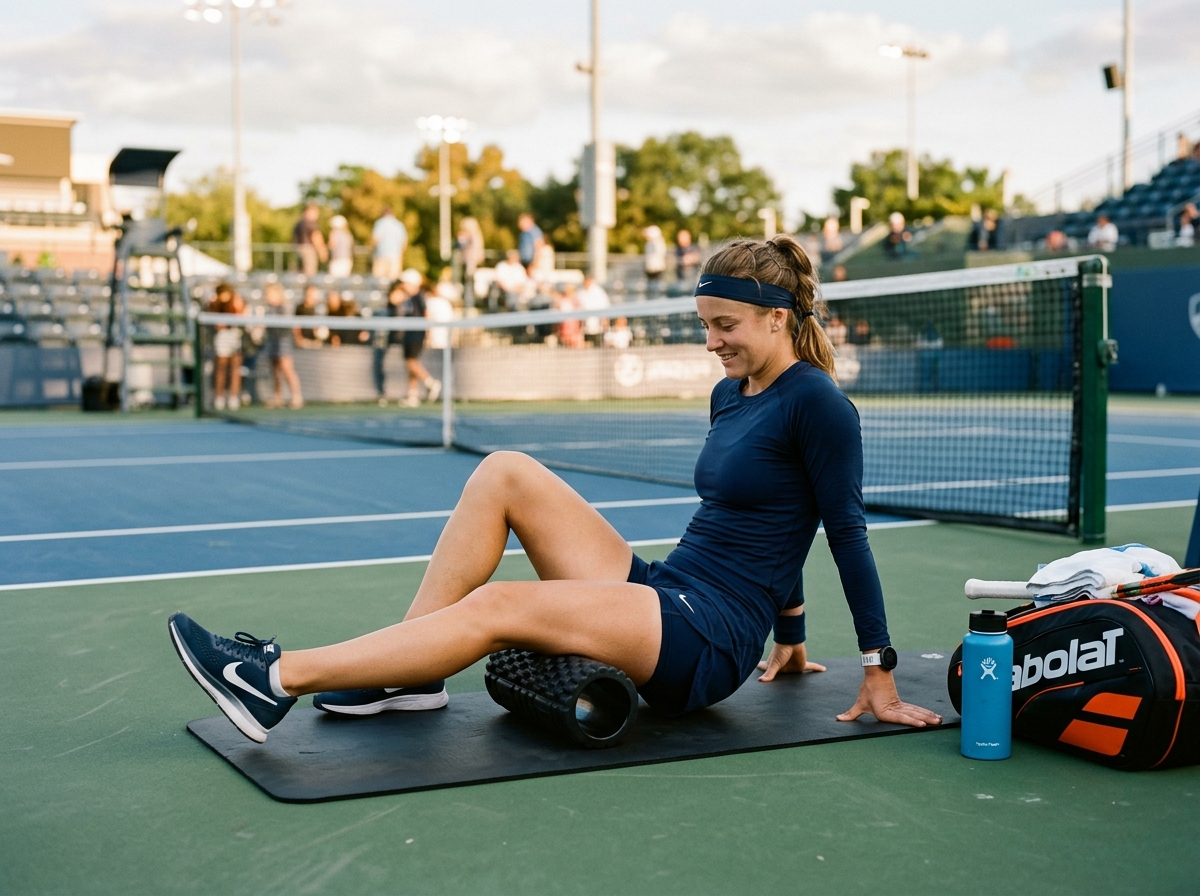
Self-myofascial release through foam rolling, massage balls, or similar tools reduces muscle tension and improves range of motion in the days following heavy training. Regular mobility work — dynamic stretching, yoga-style movement, targeted hip and ankle mobility exercises — maintains the movement quality that court sports demand and reduces the risk of overuse injuries that develop when restricted movement patterns are repeatedly loaded.
Ten to fifteen minutes of foam rolling and targeted mobility work daily — particularly for the hips, hamstrings, calves, and thoracic spine, which bear significant load in all court sports — is a manageable investment that pays consistent dividends in how your body feels and moves across a full season.
Cold Water Immersion and Contrast Therapy
Cold water immersion — submerging the lower body in cold water for ten to fifteen minutes post-exercise — is one of the most widely used physical recovery methods at the competitive level. The primary mechanism is vasoconstriction followed by vasodilation, which helps flush metabolic waste products from fatigued tissue and reduces acute inflammation in the hours following a match or hard session.
Research on cold water immersion is broadly supportive for reducing short-term muscle soreness and perceived fatigue, making it most valuable in competition environments where athletes need to perform again within 24 to 48 hours. For general training recovery where adaptation is the goal, cold immersion immediately post-exercise may blunt some of the training adaptation signals — so its application is best reserved for match recovery rather than after development-focused training sessions.
Using Technology to Monitor Recovery
Wearable devices now give court sports athletes access to objective recovery data that was previously available only to professional programs. Heart rate variability monitoring, sleep tracking, and training load analysis all provide measurable indicators of how well your body is recovering between sessions — allowing you to make data-driven decisions about training intensity rather than relying entirely on subjective feel.
A low HRV reading combined with poor sleep quality and elevated resting heart rate on a given morning is a concrete signal to reduce training intensity that day — not skip training, but adjust it. Over a four to six week period, these metrics reveal patterns that inform smarter training structure across your full season. For a detailed look at the specific wearable tools available to court sports athletes and how to use them effectively, our guide on wearable tech and smart gear for court sports athletes covers everything you need to know.
Building Your Personal Recovery Routine
The most effective recovery plan is one you actually follow consistently. A complex protocol you execute once a week delivers less value than a simple routine you apply every day. Start with the highest-impact fundamentals — sleep quality and duration, post-exercise nutrition, and daily hydration — and build from there as those habits become automatic.
Structure your recovery practices around your training schedule. After hard training sessions or matches, prioritize your nutrition window, rehydration, and sleep onset. On lighter training days, add mobility work and active recovery. During high-volume competition weeks, consider cold water immersion as a targeted short-term tool. The goal is a layered, flexible system — not a rigid checklist that falls apart the moment your schedule changes.
Recovery is not a reward for hard training. It is a requirement for it. The court sports athletes who stay healthy, improve consistently, and perform at their best deep into a competitive season are invariably those who treat recovery with the same seriousness as their practice sessions. For more on how to train and perform smarter across every dimension of your court game, explore our full Training and Performance section, including our guide on mental performance training and our breakdown of AI training tools for court sports athletes — both of which pair directly with a strong recovery foundation.